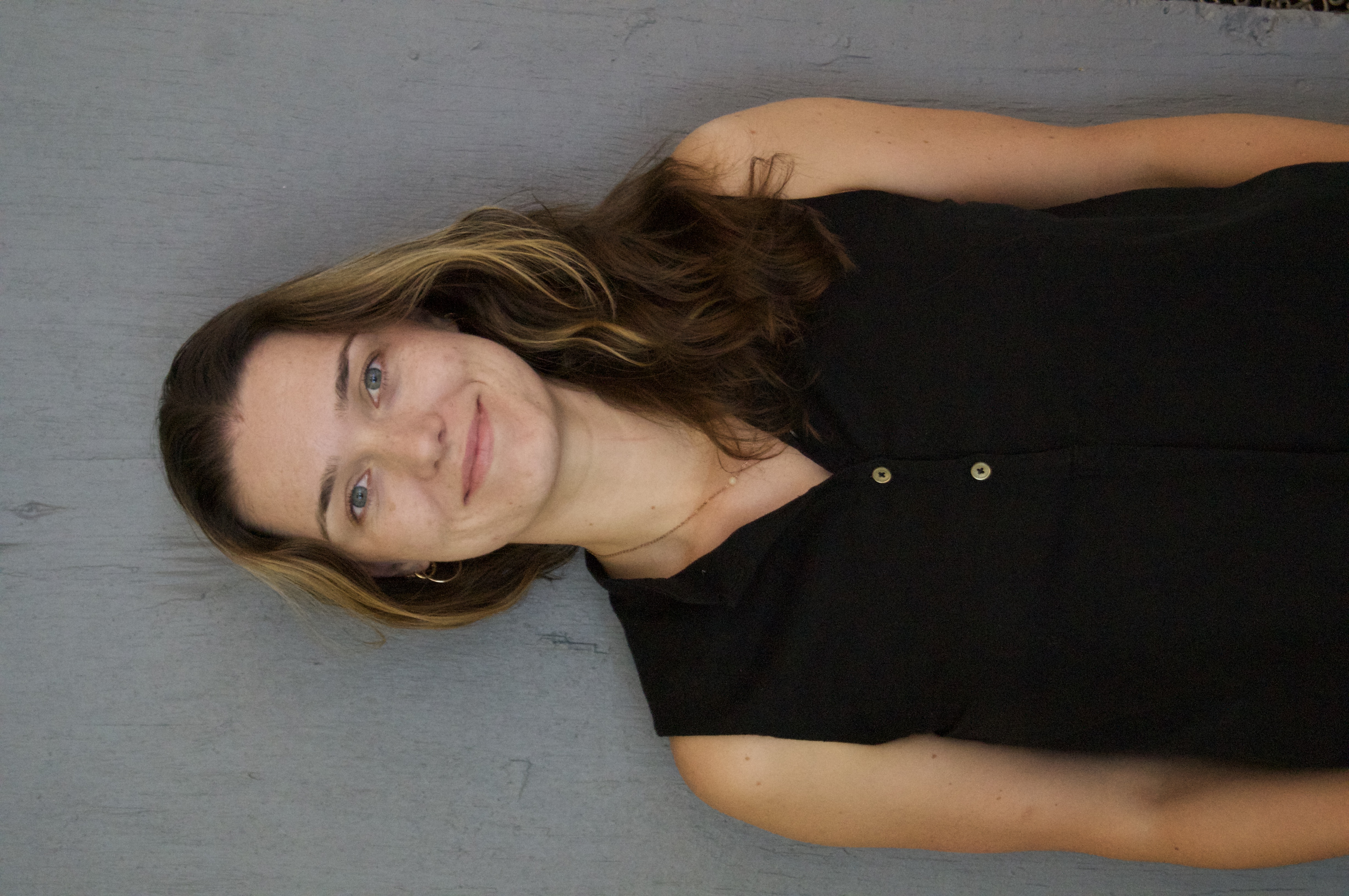
Karin Isaev
Experience · Projects · Publications
Blog · Photography
I am a computational biologist and machine learning researcher, currently at Radical Numerics, working at the intersection of AI and biology with a focus on human genetics. My background spans cancer genomics, RNA biology, and protein engineering.
karin[.]isaev[@]gmail[.]com
Experience
Member of Technical Staff, Biology
Radical Numerics · June 2026 – Present
I work on applying our models to human biology, including rare disease, the genetics of complex disease, and other human genetics applications.
Read more about my work in our human genetics blog post, part of the Omnii-1 release.
Data Scientist, Computational Biology
Pioneer Labs · August 2025 – June 2026
Pioneer Labs is a non-profit engineering microbes for Mars, tackling one of the hardest problems in synthetic biology: predicting how genes from one organism will behave when transferred to another. I worked on the machine learning side, building models and infrastructure that turn high-throughput experimental data into predictive signal.
I helped design and analyze a fitness benchmark spanning 45K donor genes from 11 microbial species, working closely with the wet lab team. The core question was whether protein language model embeddings (ESM2, Profluent E1) capture more useful signal than simple sequence identity for predicting which genes transfer successfully.
PhD, Systems Biology
Knowles Lab, Columbia University · 2021 – 2025
My thesis was on alternative splicing, the process by which different combinations of exons are included or excluded from the final mRNA, affecting protein function, localization, or whether a functional protein is produced at all. It is an underexplored axis of cellular variation, partly because the data is sparse and the computational methods to analyze it at scale were limited.
- LeafletFA is a Bayesian factor model for atlas-scale splicing analysis. I compiled the largest single-cell alternative splicing dataset in mouse and human, then developed this model to apply to the data and learn splicing programs shared across tissues and species.
- SpliceVI is a joint generative model for single-cell splicing and gene expression using variational inference, designed to disentangle the two signals simultaneously.
- LeafletSC is a Python package for single-cell alternative splicing analysis using binomial mixture models.
- Isoviz is an R package for visualizing splice junctions across transcript isoforms, built because I needed it and nothing good existed.
PhD Intern, Molecular Profiling Data Science
Regeneron Pharmaceuticals · June 2024 – August 2024
I spent the summer at Regeneron working on single-cell RNA-seq across millions of cells and multiple treatment conditions, characterizing immune response variation at scale.
- Used GPU-accelerated frameworks (RAPIDS, PyTorch) to scale analysis to millions of single cells, integrating scVI variants and interpretable autoencoder architectures for dimensionality reduction and feature extraction across treatment conditions.
Computational Biologist
Kridel Lab, UHN Princess Margaret Cancer Centre, Toronto · May 2019 – July 2021
A lymphoma research lab at UHN. I did multi-omic integration across RNA-seq, ChIP-seq, and CRISPR screens (Clinical Cancer Research, 2021), led clonal evolution analyses across multi-timepoint tumor samples (Haematologica, 2021; 2022), and contributed computational and statistical analysis to NHL-ASCT-PI, a clinical risk stratification model integrating clinical factors and pretransplant PET imaging for transplant outcome prediction (Blood Advances, 2020).
On science and how I work
Things do not always work, results are often ambiguous, and mistakes happen. Being able to talk about that openly, without fear, matters a lot to me. The most exciting science tends to live at the boundary between the risky and the safe, and we cannot get there if only the clean results get talked about.
Mentorship is really important to me as well. I grew up idolizing professors without realizing I could question them, and that took a while to unlearn. Now I try to make that easier for people earlier in their careers, by being someone they can push back on and learn alongside rather than defer to. I am always working to grow as a leader and collaborator, and find some of the best learning comes from working closely with people outside my own area of expertise.